
Card Fraud
Q&A with AI fraud detector Lynx
2024 Financial Crime Predictions Unveiled!

AI & ML Integration in the Anti-Financial Crimes Ecosystem
Firstly – there’s a growing emphasis on the application of AI and ML within the anti-financial crime ecosystem, aligning closely with data governance. While organizations recognize the benefits that AI and ML can bring to their compliance operations, regulatory constraints have limited their widespread adoption. However, with enhancements in data readiness, we anticipate a shift in organizations’ approach—from exclusively applying AI and ML in operations to extending their application to the detection side. As organizations demonstrate an understanding of their data, particularly in relation to its utilization by their ML and AI capabilities, we hope that regulators become more supportive of leveraging advanced technologies for more effective risk identification. Secondly, there is a renewed interest in solutions that combine anti-fraud and anti-money laundering solutions. We know there’s tremendous value in bringing fraud and AML data together to enrich detection capabilities. However, the stakeholders and tools often remain separate in practice. At Lynx, we are pioneering intelligent models that can work across fraud and AML systems – without requiring full organizational integration. These flexible analytics identify connected patterns of risky behavior, regardless of whether they originate from a fraud or an AML lens. It’s the best of both worlds – joint intelligence without ripping up existing infrastructure and domains. In 2024, look for specialized vendors who make integrated fraud and AML not just theoretically valuable but achievable. Lastly – organizations will focus on modernizing compliance operations through the use of technology. With tightening budgets, organizations seek ways to cut costs while preserving team capacity for robust risk management. Addressing these challenges, we expect organizations will embrace technology to enhance workforce efficiency and elevate overall quality. Additionally, applying ML and RPA to streamline operational activities is not only a wiser regulatory decision but also offers an entry point for risk-averse organizations seeking to unlock the power of AI. At Lynx, we’re at the forefront of these innovations, shaping the future of compliance and risk management. To stay ahead of the curve and gain exclusive insights into the evolving world of anti-financial crime, FOLLOW US on LinkedIn today and share with your peers. VIDEO: 2024 Predictions in AMLThe Crucial Role of Data Privacy for FIs

The Importance of Data Privacy as a Preventative Measure.
According to the FinCEN report, attackers exploit identity processes through impersonation, circumvention of verification processes, and using compromised credentials, showcasing the urgent need for preventative measures. Data privacy plays a pivotal role in preventing identity theft, a crime that often stems from vulnerabilities in cybersecurity or social engineering tactics, emphasizing the need for preventative measures. Inadequate data security measures and weak cybersecurity controls create opportunities for cybercriminals to access sensitive personal information, leading to identity theft incidents. Additionally, social engineering scams manipulate individuals into willingly divulging their personal data. Once armed with this information, criminals can seamlessly open fraudulent accounts and engage in financial crimes. These vulnerabilities underscore the urgency for organizations to implement robust data privacy measures.The Nexus of Data Privacy and Financial Crimes.
With stolen personally identifiable information (PII) in hand, criminals exploit weak Identity Verification and Validation (ID&V) policies to engage in financial crimes. Strong cybersecurity defenses are critical to prevent identity theft, but unfortunately, data breaches are common. Given this unfortunate reality, the FinCEN report underscores the essential role organizations need to play to identify the use of stolen identity data during onboarding processes to stop them in real time. KYC is the frontline for preventing these criminals from gaining access to the financial sector and continuing their criminal activities. To give a real-life example, money mules will add the credit cards of individuals whose identity they have stolen to purchase goods; then they resell those goods on eBay. The buyers of those goods have no idea that they are enabling this criminal activity. Therefore, merchants should set up solid policies to protect themselves and their customers from facilitating these crimes. Strong reseller KYC requirements ensuring the name on the credit card is linked to the customer’s name can prevent fraudsters from using credit cards from a stolen identity. This example highlights the importance of strong KYC policies to prevent unwitting customers from becoming money mules.Capabilities Needed to Stop Criminals in Real Time.
The FinCEN report sheds light on various typologies exploited by identity-related crimes, with fraud being the most reported, followed by false records, identity theft, and third-party money laundering. With $149 billion in suspicious activity linked to fraud, organizations must deploy advanced fraud detection tools for real-time identification. If fraudulent transactions occur, this means the KYC process has broken down, criminals have gained access to the organization and can transact. But with real-time fraud detection, institutions can at least spot, stop, and report these criminals immediately once fraud is detected. Organizations cannot stop there. Continuous learning from positive fraud cases is crucial to enhancing prevention efforts, meaning properly labeled data must be fed back into the models. This will help organizations continue to prevent these types of activities. Additionally, advanced transaction monitoring capabilities can identify red flags associated with third-party money laundering in real time, enabling prompt reporting to law enforcement. These insights emphasize the urgency for organizations to implement robust fraud detection tools and real-time transaction monitoring capabilities to identify and mitigate threats promptly. This FinCEN report shows how criminals know no boundaries. Their methods attack cybersecurity and KYC defenses and have multiplying effects in fraud and AML. And with the rapid evolution of AI, these attacks will only become more sophisticated and more challenging to detect. This underscores the importance of joint intelligence in real time to detect these cross-cutting typologies. Criminals do not work in siloes; organizations cannot afford to either.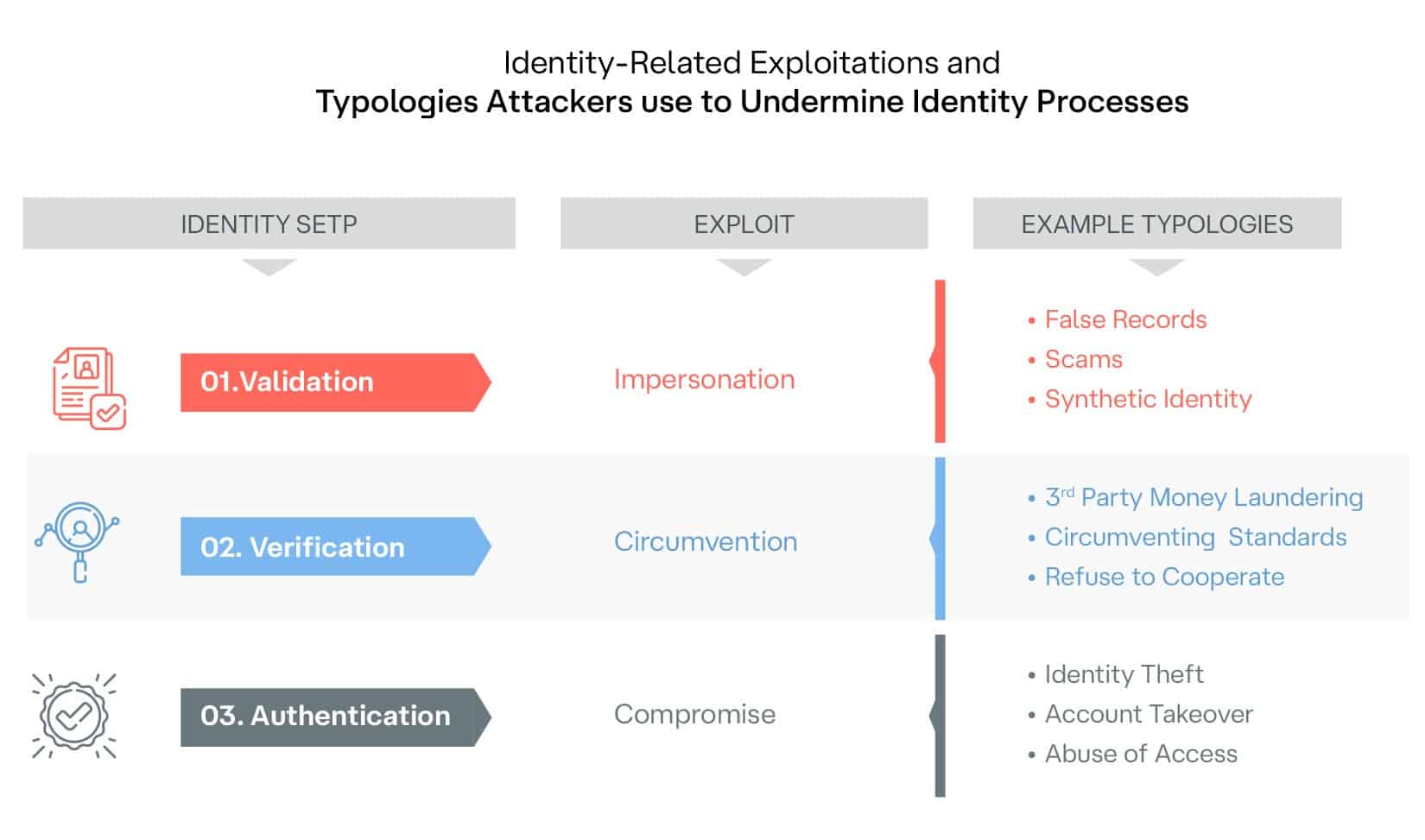
Figure 1: Reference Source: FinCEN Report
Conclusion.
The FinCEN report serves as a stark reminder of the sophisticated tactics employed by criminals in exploiting identity-related processes. As organizations navigate the customer lifecycle, from onboarding to transactions, joint intelligence becomes paramount for spotting and stopping these crimes in real time. By prioritizing data privacy, implementing stringent KYC procedures, and leveraging advanced fraud and fincrime tools, organizations can fortify their defenses and contribute to a more resilient financial ecosystem.Reference Source: FinCEN Financial Trend Analysis Report: Identity-Related Suspicious Activity: 2021 Threats and Trends. For detailed insights from the report, For detailed insights from the FinCEN report
2023, a creative and exciting year for Lynx!

It has been a year of transformation, shaping the future of our company and building strong foundations for growth. We dealt with challenges, we have achieved our goals, we delivered on our promises and we had fun while at it.
We continued our expansion and won new business in several countries. We built a strong, experienced leadership team and welcomed top-class new talent in EMEA, US, UK and Latam.
We enhanced our operational model and we have delivered cutting edge AI innovation across our Fraud, AML and Cyber solutions.
I am proud to hear our customers speak about how close we are working together and how we helped them reduce Fraud and Financial Crime losses, while increasing automation and operational efficiencies. This is a testament that we are doing something good and that higher-purpose keeps us excited and motivated. Thank you for inspiring us.
All these achievements would not be possible without our people. I am immensely proud of all of our teams, for their dedication, resilience and for embracing change. Your ongoing commitment is what drives us to success.
A big thank you to our Prevention, AML and Cyberguardian teams for delivering on the roadmap, ahead of time, with robust and best-in-class AI software. Carlos, Sandra, Alyssa, Greg, Juan, Jose Antonio and the entire team, well done and congratulations!
We worked closely with our partners, our investors and our stakeholders to help us keep an eye on the compass, True North, to help us build sustainable business foundations and to strengthen our capability to execute on our strategy. Thank you all!
As we near the end of 2023, I am very enthusiastic about what is ahead of us in 2024, about the opportunities and about our shared vision for success.
I wish you all the best in New Year!
Lynx announces €17 million funding round

16 November 2023, London, Madrid, San Francisco.- Lynx, a leading provider of AI software that detects and prevents fraud and financial crimes, today announces a €17 million (c.£15 million) Series A funding round led by Forgepoint Capital, a leading venture capital firm focused on cybersecurity and digital infrastructure software, with the participation of Banco Santander, a Lynx shareholder. Forgepoint Managing Director Leo Casusol will join Lynx’s Board of Directors.
Digital fraud is the fastest-growing type of fraud. Cumulative merchant losses to online payment fraud globally between 2023 and 2027 will exceed USD$343 billion. Financial institutions are spending upwards of $206 billion globally on financial crime compliance. The UN Office of Drugs and Crime estimates the total amount of money laundered globally to be 2% to 5% of global annual GDP (approximately $800 billion to $2 trillion), most of which goes to fund the drug trade, people trafficking, and even terrorism. Money laundering is estimated to cost the UK economy more than £100 billion each year, with UK financial institutions spending upwards of £34.2 billion per year on financial crime compliance.
Created 20 years ago by Dr. Carlos Santa Cruz, a computer scientist and artificial intelligence expert who now serves as Chief Technology Officer, Lynx applies advanced AI and machine learning to prevent digital fraud and combat money laundering by predicting and detecting behavioural patterns and delivering risk scores in real time and at enterprise scale. After two decades of co-development with select commercial clients, Lynx also announces the appointment of new CEO, industry leader Dan Dica, who will leverage his extensive experience growing successful software companies to help the company scale.
Today, Lynx is helping leading financial institutions across Europe, the UK, the US and Latin America, including Cielo, the largest credit and debit card operator in Brazil, and Banco Santander. With models trained and validated on the 58 billion transactions by 300 million bank customers per year that Lynx protects, the company offers fraud prevention for cards, digital banking, ecommerce, telephony, branches and ATMs.
Lynx uses insights from its fraud prevention, anti-money laundering (AML) and cybersecurity risk identification capabilities to continually enhance its models. Its ‘Daily Adaptive Model’, a first-of-its-kind proprietary capability, continually learns new behaviours and retrains models daily, ensuring its AI models are drift-resistant. Lynx can process enterprise-level transaction volumes and generate fraud scores three times more accurate than current industry standards in under 15 milliseconds. With Lynx, consumers can transact safely and securely without delay and financial institutions contend with far fewer false positives than competing solutions.
The investment will fund Lynx’s global expansion and further the development of the company’s integrated fraud and AML platform that will provide 360-degree visibility of risk and generate significant operational efficiencies, informed by market and regulatory drivers, client needs and technological advancements.
Dan Dica, Chief Executive Officer, Lynx, comments:
“I am privileged to be working with Carlos and our extraordinary and passionate team, forward-looking clients, and supportive investors and Board who recognize the power of the Lynx platform and the critical problems we are out to solve. Together, we will continue to advance our platform capabilities to better serve our clients across the globe in the enduring fight against fraud and financial crime.”Julio Bento, Senior Manager of Fraud Prevention and AML at Cielo, says:
“We are one of the leading payment processing companies in Latin America, with more than 1 million customers across Brazil and we chose Lynx due to its advanced AI and performance in predicting and identifying fraud. At Cielo, we process large quantities of transactions, so speed is essential. We found Lynx to be the fastest, with the highest accuracy and the fewest false positives. We are impressed by Lynx’ continuous innovation in the field of AI, automatic machine learning models being one example. Models can learn customer behavior and provide our customers with a great experience, enabling genuine transactions to flow while identifying fraud in real time. Over the years, Lynx has been and continues to be a trusted and reliable technology partner.”Forgepoint Capital Managing Director Leo Casusol adds:
“Lynx’s highly differentiated AI model stops fraud and financial crime in real time, at enterprise scale and with unparalleled levels of accuracy. It’s the best kept secret in AI and banking. After extensive co-development with leading global banks, fintechs and enterprise clients, Lynx demonstrates a deep understanding of their fraud prevention, compliance and risk needs and has achieved product-market fit. We are excited to support Dan, Carlos and the Lynx team as they continue to deliver on their vision of an integrated anti-fraud, AML and cyber platform.”Last year, Forgepoint Capital and Banco Santander announced a strategic alliance to drive cybersecurity investment and innovation globally and this is their first joint investment. Today’s investment is subject to regulatory approval.
About Lynx
Lynx is a leading provider in AI software designed to detect and prevent fraud and financial crimes, leveraging deep academic expertise and exceptional engineering developed over 20+ years to deliver best in class results. Drawing on its academic founding and its two-decade long partnership with large financial institutions, Lynx co-designed the solution with stringent banking requirements, regulatory controls and best practices. Lynx developed the ‘Daily Adaptive Model’, a first of its kind proprietary capability that continually learns new behaviours and retains models daily, further enhancing the accuracy of its risk scores. Lynx also applies its technological expertise in the AML space, where it optimizes the way organizations detect and manage financial crime. Learn more at https://lynxtech.comAbout Forgepoint Capital
Forgepoint Capital is a leading cybersecurity and digital infrastructure software venture capital firm that invests in transformative companies protecting the digital future. With $1B+ AUM, the largest sector-focused investment team, and portfolio of nearly 40 companies, the firm brings over 100 years of proven company-building experience and its Advisory Council of more than 90 industry leaders to support entrepreneurs advancing innovation globally. Founded in 2015 and headquartered in the San Francisco Bay Area, Forgepoint is proud to help category-defining companies reach their market potential. Learn more at https://forgepointcap.comDan Dica, new Lynx CEO

I would like to express my gratitude to the entire team and the board for entrusting me with this important mission. As I embark on this journey, I am humbled and privileged to work alongside an extraordinary team of talented professionals who have established Lynx as a trailblazer in the industry. Together, we will continue to build upon our AI deep knowledge, supporting our customers across the globe and seek to making a profound impact in combating fraud and financial crime. I am very confident that, as a united team with a common goal, we will make Lynx a trusted brand and a global leader in the industry.
Illuminate AML and Sanctions Risks Using Lynx AML
Our Lynx AML modules – transaction screening, customer screening and case management – optimize the way organizations detect and manage financial crime. We apply AI-led, human-centered technologies to detect illicit activities leveraging supervised and unsupervised AI, automate repetitive, data-driven investigation processes, and optimize operations by automating case management activities.
Why Choose Lynx?

Learn more about how Lynx has leveraged the power of people and technology to meet your greatest needs in fraud and AML.
The convergence of Fraud, AML and Cyber Security

The past
It has long been the case that Fraud Prevention, Anti Money Laundering and Cybersecurity are separate solutions with their own specific use cases that they address.
Fraud Prevention has somewhat sat between the two trying to take the best from both sides, but if you’re a financial institution it was expected that you would buy an isolated solution to address AML, an isolated solution to address Fraud, and an isolated solution to address Cybersecurity.

Triforce: Fraud Prevention, Anti Money Laundering and Cybersecurity
- Each channel has its own point solution
- The solutions do not talk to one another
- There is no sharing of intelligence
- Each solution does something different in a unique way
- There is a need to connect the solutions with a middleware
- The FI’s have to deploy a team to each solution
- Attackers just have to find the weakest solution in the financial institution to be successful
- There is increased operational cost
- There is increased fraud
But all that’s about to change.
The Future
More FI’s onboard customers and operate digitally than they have ever done before, this digital adoption is only going to accelerate as more people expect more personalized, transparent and interconnected services from their financial institutions.
We anticipate at Lynx that several players will operate in the intersection of finance and social, likely these players will enable embedded finance and push forwards instant realtime seamless financial experiences through super apps.
Just as financial institutions are going through their biggest changes yet through digital transformation they expect their technology stack to progress with them and the vendors they use to follow suit. We’re here to tell you many can’t, but we at Lynx have the vision and agility to do so.
Datos Insights agree, and recently wrote a report based on the current state of Fraud and AML Machine Learning Platforms.
The key take away from the report:
- Fraud and AML Market synonymous with FI Products / Channels
- Market value 2019 $1bn, projected to increase to $7bn 2024 EoY
- FI Drivers:
- Optimize balance between loss reduction,
- Operational efficiency,
- Regulatory compliance
- And seamless client experiences
- FI’s looking to consolidate ML platforms across Fraud and AML business units
- Most FI’s very early in journey toward authoring and deploying own ML models
- Overall cost for new / upgraded technology, finding necessary budget and resourcing, can present substantial hurdles to adoption
- Best in class solutions scored high
- ML product suites, model development, performance, governance
- Service and support capabilities [1]
The Present
What does a next generation Fraud Prevention and AML ML solution look like and who will own it?
It is perhaps easier to answer the second part of the question first, likely this will be owned by the cyber fusion centre.
There is an additional transformation happening within financial institutions, mainly the cyber fusion centre. This is the coming together under the cyber security division of fraud, AML, and cyber security tools to increase:
- Technical Threat Intelligence
- Strategic Theat Intelligence
- Threat Response
- Security Orchestration, Automation, and Response (SOAR)
As to what will the solution look like. We expect that it will evolve AML digitally, bring fraud prevention forwards in terms of machine learning and forensics with overarching key components shared across the tools. These are:
- Interfaces
- Enrichment
- Feature / Variables
- Machine Learning Models
- Decision Engine
- Workflows / Orchestration
- Responses
- Investigation / Forensics
- Intelligence Network
Why it matters
Attackers have identified that they can scale up their operations by using the digital channels, automation and AI against the FI.
The attacker is able to harvest, purchase, generate real and or synthetic identities on mass and automate their attack with the financial institution.
The impact is that data that was used historically to go through KYC and due diligence doesn’t have the same level of surety and human belonging as it’s fake or stolen. As such onboarding has to evolve to make use of digital data that Fraud Prevention and Cyber Security teams have used for some time.
For example, you can identify the device, location, user agent and cookies of the application to understand if they are part of a compromised list of attribute associated to an organised crime group trying to build a network of mule accounts in your financial institution.
Or you can make use of intelligence networks to identify deliberately obfuscated links between criminals and the applicant.
A big problem for both Fraud and AML is that analysts are inundated with alerts based on rule matches. By using highly effective machine learning (ML) models you can reduce the amount of false alerts by up to a factor of 10 compared to other ML solutions using unsupervised learning. The implementation of supervised machine learning improves the accuracy of the rules using a risk score. Thus reducing the amount of people needed, and improving the time the analysts spend investigating.
Another problem is the capability to get a holistic view of the user and their associated entities, this can be solved with combined advanced entity link analysis tools. Thus enabling analysts to come to quicker decisions on alerts and find connected undetected criminal networks.
The future problem will not be know your customer or know your business, instead it will be know your identity and aversaries will continue to innovate thus obfuscating and adding layers to the identity they pose to be.
Solutions best prepared to seamlessly work with embedded finance, digital identity, intelligence networks and were born out of machine learning will outperform legacy point solutions.
That’s why we at Lynx are forging a path for our solutions to digitally enrich and converge changing the narrative from know your customer to know your identity.
Why not find out more and watch us as we evolve to bring fraud, aml and cybersecurity together and a next generation identity.